


The importance of a “brand” in business success
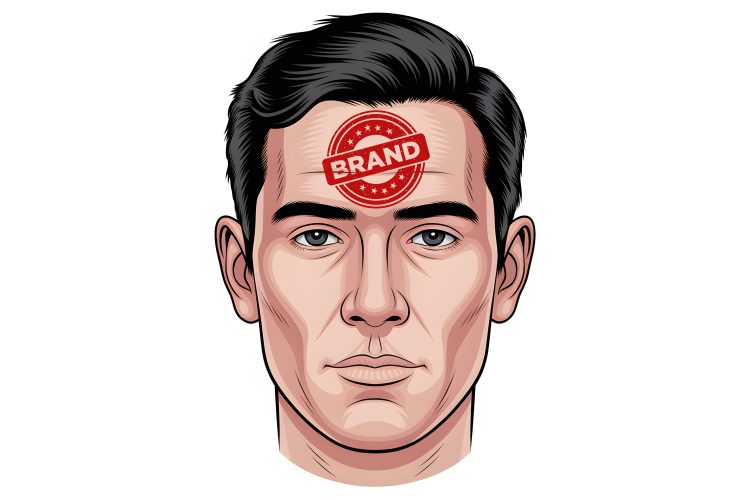
Your brand is your identity. Your reputation. It’s who you are and what you represent. A recognized brand is associated with trust and credibility. If someone does not recognize your brand they forge a predetermined opinion about you that is likely to be negative or uncertain at best. They may say to themselves, “I’ve never heard of them so they mustn’t be very good.”
Relate this to your personal self. How likely are you to trust the word of a complete stranger over someone you know?
When considering options, a prospective decision maker in your category is very likely to skip over brands they don’t recognize as long as they have choices available from brands they do. That does not mean those recognized brands are better, but psychologically, because they are familiar they are associated with more trust than unknown brands.
The importance of a strong brand cannot be properly stated. It is the most important type of marketing. Unfortunately it is the least measurable and, as a result, often gets neglected.
How good is your brand? If you asked 100 people if they’ve heard of you… how many would say yes? If the answer is few (or none), your biggest marketing emphases should be on branding. That doesn’t mean you neglect other marketing, but the biggest share should be on branding.
Building a brand takes repetition, which in marketing we call frequency. But too much frequency too fast can have negative impacts as well, such as brand fatigue. Because of that, branding should be a long-term strategy. Consistency over a long period is best.
“Top of the funnel” marketing products are better at building a brand. These offer wide reach with high frequency, and are generally more cost efficient. This includes television (broadcast and streaming) and station-owned digital platforms.
Examples of your brand:
- Your visual identify (logo, colors, website, building front, etc.)
- Your staff and other representatives
- Your offerings (and their own brands)
- Your known reputation (word of mouth, online reviews, social media, etc.)